Previous Jordanian Senator Michael Nazzal is optimistic about 2030 Baptismal Milestone
Daoud Kuttab
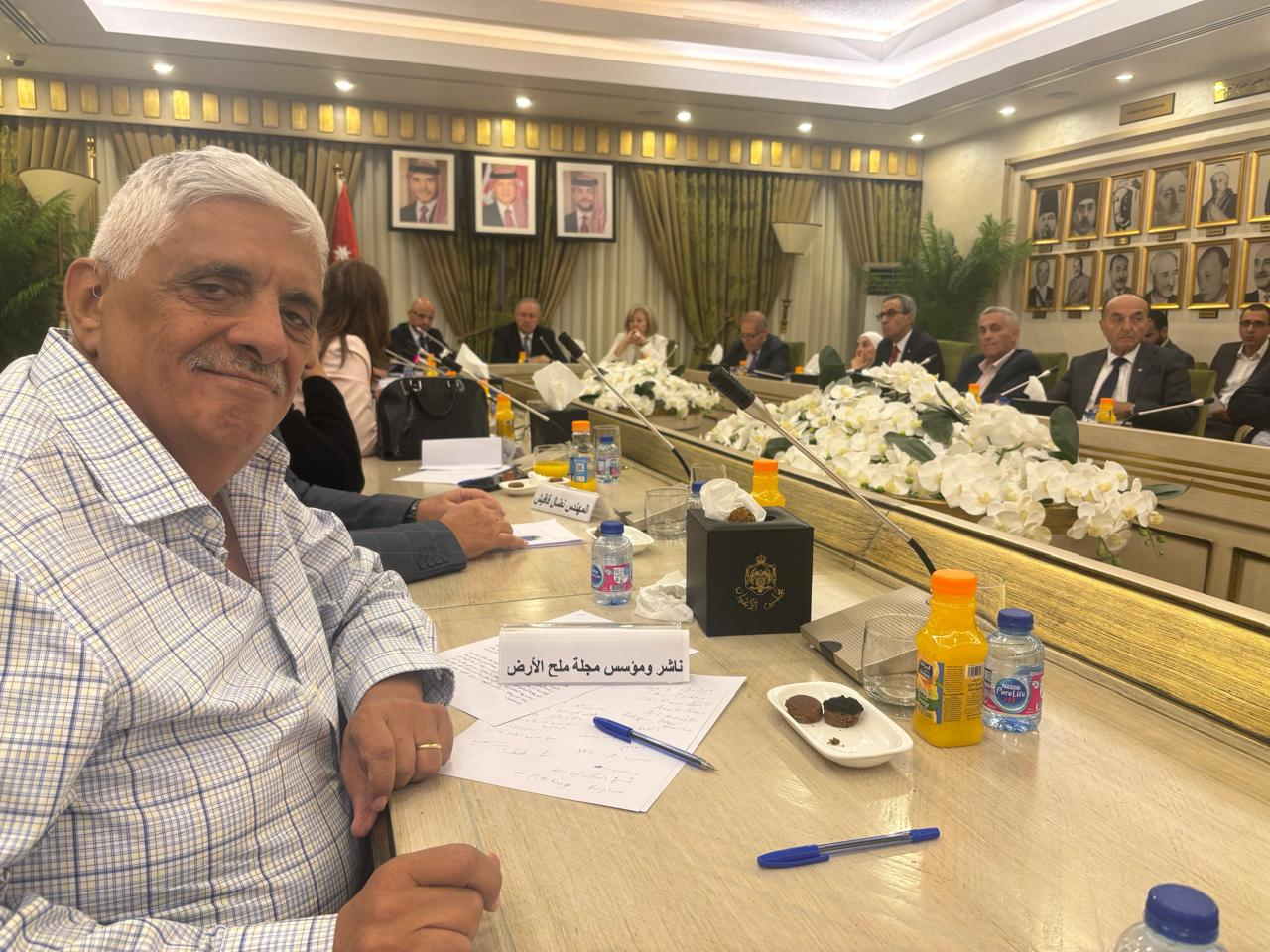
I participated recently in an important and fruitful meeting with colleagues at the Jordanian Senate. We were invited by the Tourism Committee, headed by Michael Nazzal, to discuss ways the media can support the Christian tourism program in Jordan, particularly the celebrations marking the second millennium of the Baptism of Jesus Christ on the East Bank of the Jordan River, which will culminate in 2030.
It is clear that Jordan has strong potential to attract pilgrims from around the world to engage spiritually with the Kingdom’s Christian sites. However, achieving this goal requires a new vision for engaging with international media outlets that publish and broadcast in languages other than Arabic.
Publishing content in reputable international media organizations is not simply a matter of having a unique event, no matter how significant it is. International media outlets require high professional standards, appropriate timing, and strong content for publication. This necessitates providing journalists with opportunities, in an easily accessible manner, to engage with issues relevant to their media outlets. It also requires a local team capable of constructive interaction, of communicating with the international community in its own language and respecting its traditions, and of operating with the speed and efficiency suitable for foreign media.
Undoubtedly, our greatest challenge is the absence of a global media strategy that moves beyond the idea of journalists being mere recipients of press releases, transforming them into partners in its creation through adhering to the style and traditions of their respective media organizations.
International journalism, including religious, tourism, and cultural journalism, operates with high professional standards and rarely relies solely on releases. It demands multiple sources, accurate, readily accessible information, and editorial freedom, refusing to simply use pre-prepared media materials. Therefore, the availability of a press release is insufficient; journalists must be given a chance to actively participate in the media event. When contacting the editor-in-chief, their first question is invariably: Did you participate in the press conference? Did you have the opportunity to ask a relevant question? If the answer is no, a brief news item may be published, but a comprehensive report will not.
The second challenge lies in the absence of spokespeople from relevant tourism authorities or the slow response to requests for comment. Foreign journalists cannot wait until “tomorrow” or “the day after” for today’s news. Many publishing decisions are made within hours. The moment an exclusive interview with a media outlet is missing, even if its content is similar to what was said at the press conference, the story loses much of its impact in the eyes of the editor, who wants to show their readers that their correspondent was present and asked a relevant question or obtained an exclusive response.
The absence of such an interview significantly reduces the chances of wide coverage. The problem here is not only the news value but also the management of time. When officials’ responses are delayed, and international media are given the same handouts and press releases, the “media moment” that could transform a brief news item into genuine, extensive international coverage is lost.
From a practical media perspective, international tourism coverage must be tailored to the target audience. Traditional writing filled with flowery language is ineffective; it must be direct, newsworthy, and contain rich information and figures. Foreign journalists need a text in English, well-organized information, and a concise and compelling background on the significance of the locations and events. They also need practical elements to help them describe the experience to readers, giving them the feeling that the reporter was present and participated in the events or coverage.
It is essential to prepare written, up-to-date materials that include a summary of the news, its context, and the most important points for an international audience. This should be accompanied by easily accessible online resources and infographics, as well as a contact person available for in-person, telephone, or WhatsApp responses.
Furthermore, international media outlets are not just looking for a “short news item,” but a comprehensive package. In any event related to Christian tourism, clear information must be provided about what will happen, when it will happen, and why it is important. This includes readily available quotes, relevant photos and videos, and practical information for visitors, such as how to get there, the nature of the experience, and suggested routes. The timelier and more organized these elements are, the greater the likelihood of generating interest, leading to coverage, and ultimately, a genuine desire to visit.
This approach requires accessible digital resources, such as a website full of rich information, images, and background details, rather than relying on paper documents.
A readily available system for providing information through digital links and files ensures journalists can quickly access what they need and that responses are organized and efficient. The goal is for relevant parties to be ready when journalists arrive at the crucial moment, rather than simply waiting and waiting.
The optimal path to success in reaching international media to support Christian tourism in Jordan requires shifting from a reactive to a proactive approach. A proactive body that works with journalists and media organizations, along with a rapid-response team, should be established. This team should include foreign-language speakers who are capable and entrusted with providing rapid responses, issuing comprehensive press releases for each event, and ensuring swift replies within hours, not days. When this is achieved, international media coverage will become more than just a passing news item; it will become a real force capable of enhancing Jordan’s image and translating interest into actual visits.
Ultimately, Jordan needs more than just more events or improved traditional promotion. It needs a media plan that operates according to the principles of global journalism: timing, preparedness, and professionalism. When these conditions are met, Christian tourism can achieve a sustainable global presence.


تكافح مجلة “ملح الأرض” من أجل الاستمرار في نشر تقارير تعرض أحوال المسيحيين العرب في الأردن وفلسطين ومناطق الجليل، ونحرص على تقديم مواضيع تزوّد قراءنا بمعلومات مفيدة لهم ، بالاعتماد على مصادر موثوقة، كما تركّز معظم اهتمامها على البحث عن التحديات التي تواجه المكون المسيحي في بلادنا، لنبقى كما نحن دائماً صوت مسيحي وطني حر يحترم رجال الدين وكنائسنا ولكن يرفض احتكار الحقيقة ويبحث عنها تماشيًا مع قول السيد المسيح و تعرفون الحق والحق يحرركم
من مبادئنا حرية التعبير للعلمانيين بصورة تكميلية لرأي الإكليروس الذي نحترمه. كما نؤيد بدون خجل الدعوة الكتابية للمساواة في أمور هامة مثل الإرث للمسيحيين وأهمية التوعية وتقديم النصح للمقبلين على الزواج وندعم العمل الاجتماعي ونشطاء المجتمع المدني المسيحيين و نحاول أن نسلط الضوء على قصص النجاح غير ناسيين من هم بحاجة للمساعدة الإنسانية والصحية والنفسية وغيرها.
والسبيل الوحيد للخروج من هذا الوضع هو بالتواصل والنقاش الحر، حول هويّاتنا وحول التغييرات التي نريدها في مجتمعاتنا، من أجل أن نفهم بشكل أفضل القوى التي تؤثّر في مجتمعاتنا،.
تستمر ملح الأرض في تشكيل مساحة افتراضية تُطرح فيها الأفكار بحرّية لتشكل ملاذاً مؤقتاً لنا بينما تبقى المساحات الحقيقية في ساحاتنا وشوارعنا بعيدة المنال.
كل مساهماتكم تُدفع لكتّابنا، وهم شباب وشابات يتحدّون المخاطر ليرووا قصصنا.