Previous A roadmap to strong international media coverage for the 2030 Baptismal Milestone
by Daoud Kuttab
Lawyers specializing in inheritance law have discussed how the United States handles disputes arising after a will is executed, particularly when family circumstances change, spouses remarry, or heirs challenge disinheritance rulings.
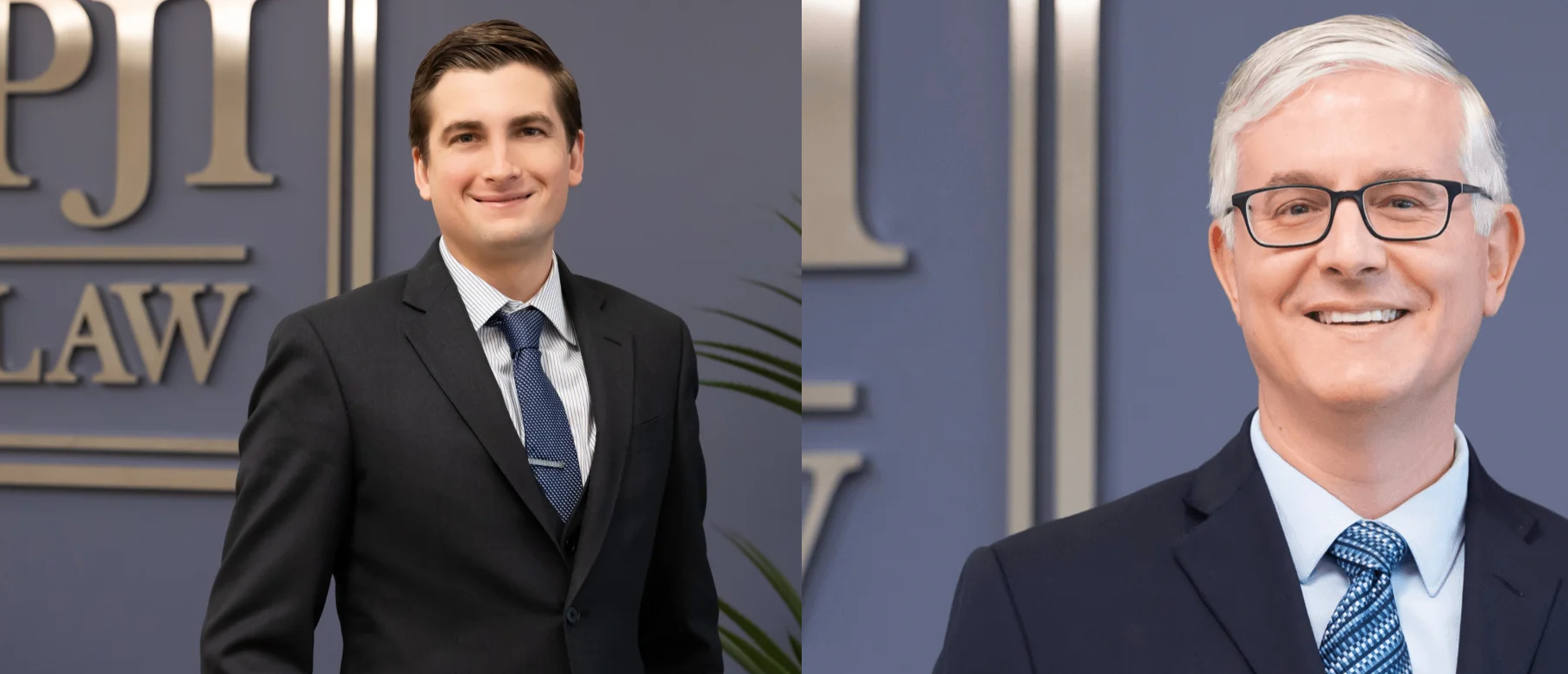
In an interview with milhilard.net, Virginia attorneys Robert Brown and Garrett Kizer from PJI Law noted that the rules vary from state to state. However, they explained some commonalities in how U.S. law regulates wills, balancing the freedom-of-will wording with legal claims that can exceed the will’s provisions.
The lawyers stated that one of the most frequent problems in inheritance law arises when a new family member is added after a will has been written. Attorney Brown said that wills in most U.S. states typically include clauses designed to address this issue automatically, adding, “When someone writes their will… it will include phrases that address this issue and are widely used.” The lawyers gave a common example of a bequest to children including the phrase “to my offspring.” Brown added that the legal effect extends across generations, emphasizing that “this analysis is applied to every generation.”
The lawyers also pointed out that many U.S. laws protect spouses even if the will is not updated. Lawyer Garrett Kizer said, “Some states… have what’s called a ‘voided’ or ‘omitted’ spouse claim.” The law takes into account the possibility that the testator forgot to include the spouse (especially in the case of a new spouse due to death or divorce), noting that this practically “allows the new spouse to file a claim against the estate to include themselves as a beneficiary…” The lawyers also emphasized that many US states allow the surviving spouse to file a claim for a discretionary share, which can guarantee them a substantial portion regardless of the will’s wording. They added, “Either spouse can also file for a discretionary share of the estate… and they could receive up to half the estate…” They explained with hypothetical figures: “If the husband had $1 million and left his wife only $20,000… she could still receive up to half the estate.”
The discussion also touched on the issue of children, noting that they have less protection than spouses, which sometimes fuels legal battles. In this context, Brown stated Maybe the situation is different in Jordan, but in the United States, once children reach legal adulthood, the parents have no obligation to provide for them…” Kaiser added that while inheritance disputes are not the norm, depriving children of their rights does occur, and, naturally, that leads to litigation: “There are a lot of estate lawsuits that result in children being disinherited.”
In this area, the U.S. lawyers explained that many wills include a powerful clause stipulating that if any beneficiary challenges the will, they will automatically be disinherited entirely.
They described how such a “non-challenge” clause can deter challenges by threatening to withdraw the potential challenger’s inheritance, explaining: “A ‘non-challenge’ clause states, ‘If anyone challenges anything… they get nothing.'”
Regarding inheritance rules in the absence of a will, the Virginia lawyers emphasized that the rules are not uniform across the United States. American lawyers throughout all states note that in such a case, “It’s not uniform from state to state in the United States,” while acknowledging that there are principles applied in most states whereby a spouse receives half the estate if there is one child, a third if there are more than one child, with the remainder divided equally between the children. The lawyers also noted that: “In Virginia…children from a previous marriage are entitled to two-thirds of the estate, to be divided equally among them.”
Regarding adoption, Lawyer Brown explained that adoption laws in the United States often treat adopted children the same as biological children, stating: “Most state laws stipulate that an adopted child is treated the same as a biological child.” He also emphasized that a person can exclude an adopted child through a will, noting: “An individual has the right to choose not to bequeath their adopted child…”
The American inheritance lawyers’ comments highlight several points that may be of interest to Jordanians, including that wills should reflect family changes through clear wording regarding the distribution of assets, that spouses may retain legal rights even if excluded from a will, that children are often protected, and that adopted children are generally treated as de facto equal heirs. The approach concludes that Jordan, if it seeks to achieve a balance among certainty, fairness, and the realities of family life, might benefit from the practical mechanisms demonstrated by the American model, while taking into account differences across judicial jurisdictions.


تكافح مجلة “ملح الأرض” من أجل الاستمرار في نشر تقارير تعرض أحوال المسيحيين العرب في الأردن وفلسطين ومناطق الجليل، ونحرص على تقديم مواضيع تزوّد قراءنا بمعلومات مفيدة لهم ، بالاعتماد على مصادر موثوقة، كما تركّز معظم اهتمامها على البحث عن التحديات التي تواجه المكون المسيحي في بلادنا، لنبقى كما نحن دائماً صوت مسيحي وطني حر يحترم رجال الدين وكنائسنا ولكن يرفض احتكار الحقيقة ويبحث عنها تماشيًا مع قول السيد المسيح و تعرفون الحق والحق يحرركم
من مبادئنا حرية التعبير للعلمانيين بصورة تكميلية لرأي الإكليروس الذي نحترمه. كما نؤيد بدون خجل الدعوة الكتابية للمساواة في أمور هامة مثل الإرث للمسيحيين وأهمية التوعية وتقديم النصح للمقبلين على الزواج وندعم العمل الاجتماعي ونشطاء المجتمع المدني المسيحيين و نحاول أن نسلط الضوء على قصص النجاح غير ناسيين من هم بحاجة للمساعدة الإنسانية والصحية والنفسية وغيرها.
والسبيل الوحيد للخروج من هذا الوضع هو بالتواصل والنقاش الحر، حول هويّاتنا وحول التغييرات التي نريدها في مجتمعاتنا، من أجل أن نفهم بشكل أفضل القوى التي تؤثّر في مجتمعاتنا،.
تستمر ملح الأرض في تشكيل مساحة افتراضية تُطرح فيها الأفكار بحرّية لتشكل ملاذاً مؤقتاً لنا بينما تبقى المساحات الحقيقية في ساحاتنا وشوارعنا بعيدة المنال.
كل مساهماتكم تُدفع لكتّابنا، وهم شباب وشابات يتحدّون المخاطر ليرووا قصصنا.