Previous Ramez J.Habash’s Contextualizing“All Israel”: An Anthropological Take on Romans 11:26

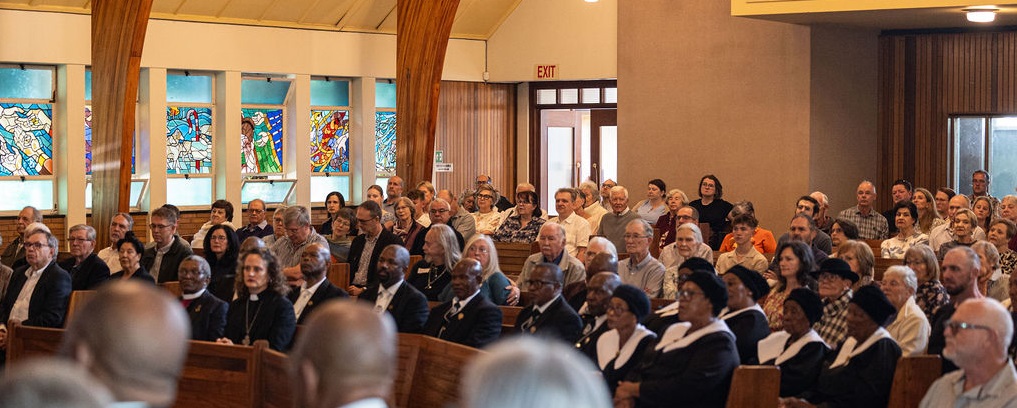
Johannesburg, South Africa — April 22, 2026. A U.S. delegation led by Rev. Mae Elise Cannon, executive director of Churches for Middle East Peace (CMEP), is in South Africa for a week (April 19–27) of consultations with the Dutch Reformed Church (DRC), the Protestant Reformed Church, and the South African Council of Churches (SACC). The mission seeks to explore how the historic Belhar Confession might serve as a guidepost for addressing white supremacy, racism, dehumanization, and injustice in the United States, South Africa, and Palestine.
. While the Belhar Confession’s role in ending apartheid remains a central theme, the DRC and URC are not in full communion around Belhar. The URC represents churches of color—Black, Colored, and Indian—making their joint participation with other partners historically significant for this dialogue. A recurring topic is the rhetoric around “genocide.” American partners challenge the notion of white genocide in South Africa, while South African leaders emphasize attention to the “genocide” of Palestinians as a focus for solidarity.
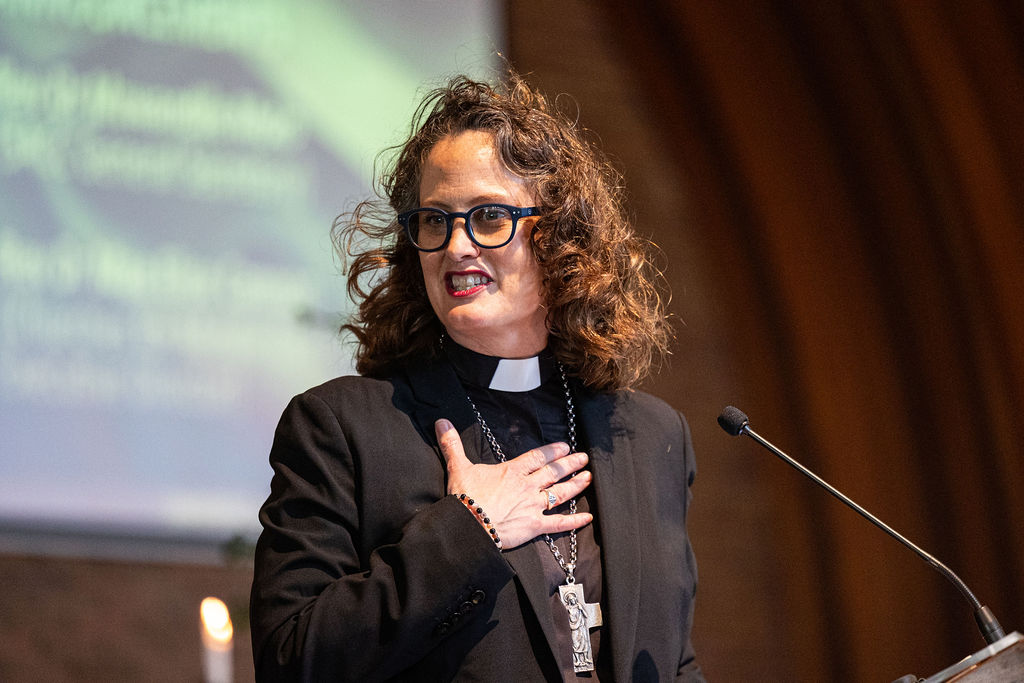
Rev. Dr. Mae Elise Cannon, who led the US delegation, said, “We strive to follow the Prince of Peace, and right now there is no peace.” She emphasized that the work is not only about the Middle East but also about broader brokenness in souls and communities, calling for unity, courage, and joint action. Rev. Swanepoel added that the moment carries heavy weight and requires followers of Jesus to speak with a united voice. Nioma Venter described the Americans’ visit as a theological discernment exercise aimed at responding to current realities while maintaining the call to justice. Rev. Jan Lubbe, moderator of the DRC, noted that the Sunday service and week of consultations seek to explore shared ground across geopolitical contexts for a common theological reflection.
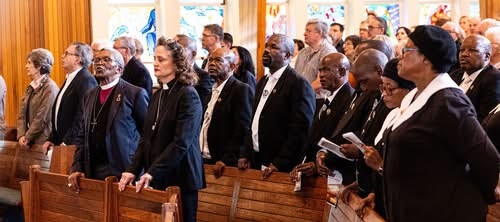
The visit is framed as part of a broader movement toward global justice and reconciliation, with South Africa positioned as a central interlocutor. The SACC’s legacy in dismantling apartheid is acknowledged, even as some groups once labeled the council a “terrorist organization” for its anti-apartheid resistance. “Americans plead with churches in SA: ‘The world must hear your voice, speak from the pain of your history,’” coverage notes, situating CMEP’s work within a broader peace-building mission that crosses Middle East and African contexts and calling for courage and joint action from South African partner churches.
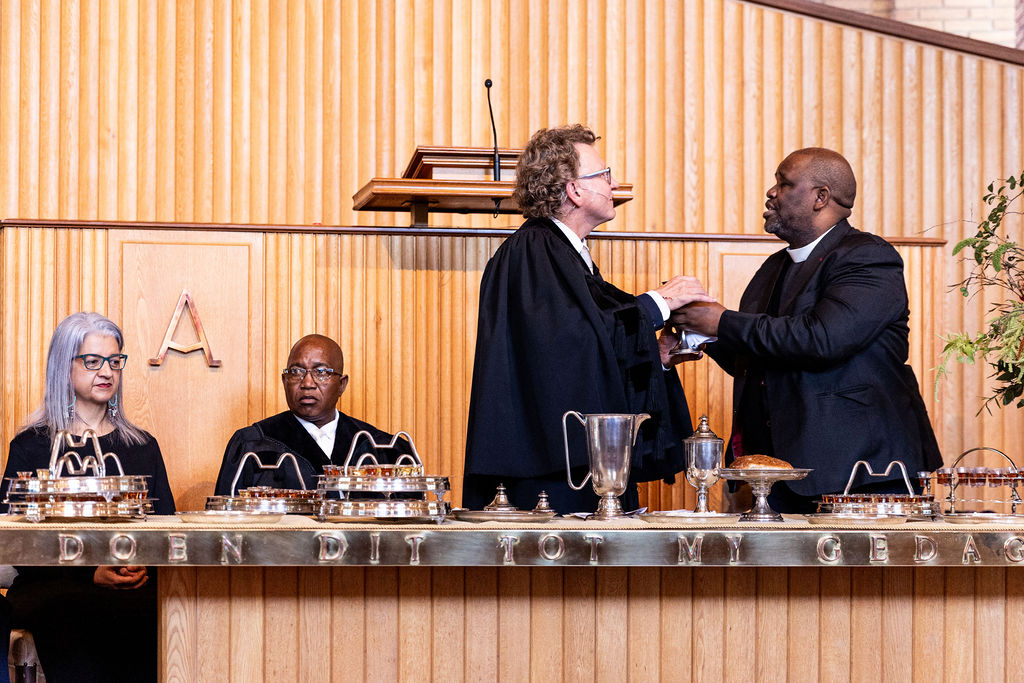
What’s happening this week includes a Sunday service at Aan-die-Berg Congregation in Northcliff, where leaders from the NG Church, VG Church, and visiting U.S. delegates shared communion, underscoring a shared commitment to discern the theological responses needed in diverse contexts. Nioma Venter, general secretary of the NG Church, framed the Americans’ visit as a solidarity mission aimed at discussing how to respond theologically to contemporary realities and narratives, including a call to “proclaim release to the captives and recovery of sight to the blind” (Luke 4:18–19). Rev. Mzwandile Molo, general secretary of the SACC, welcomed the delegation, saying the gathering should remind all that “together we can build a different world.” The DRC delegation also met CMEP members and internal task teams focused on doctrine, current affairs, public witness, and reconciliation initiatives. Rev. Rudi Swanepoel, pastor at Aan-die-Berg, stressed the need for a united voice amid division, economic injustice, and armed conflict.
Looking ahead, Monday, April 27, is South Africa’s Freedom Day, with organizers anticipating a public culmination of the delegation’s visit. The week’s conversations are framed as the starting point of ongoing work—a movement toward global justice and reconciliation—with South Africa positioned as a central interlocutor in shaping how churches respond to contemporary crises, including conflicts in the Middle East and systemic injustices at home. 🇿🇦