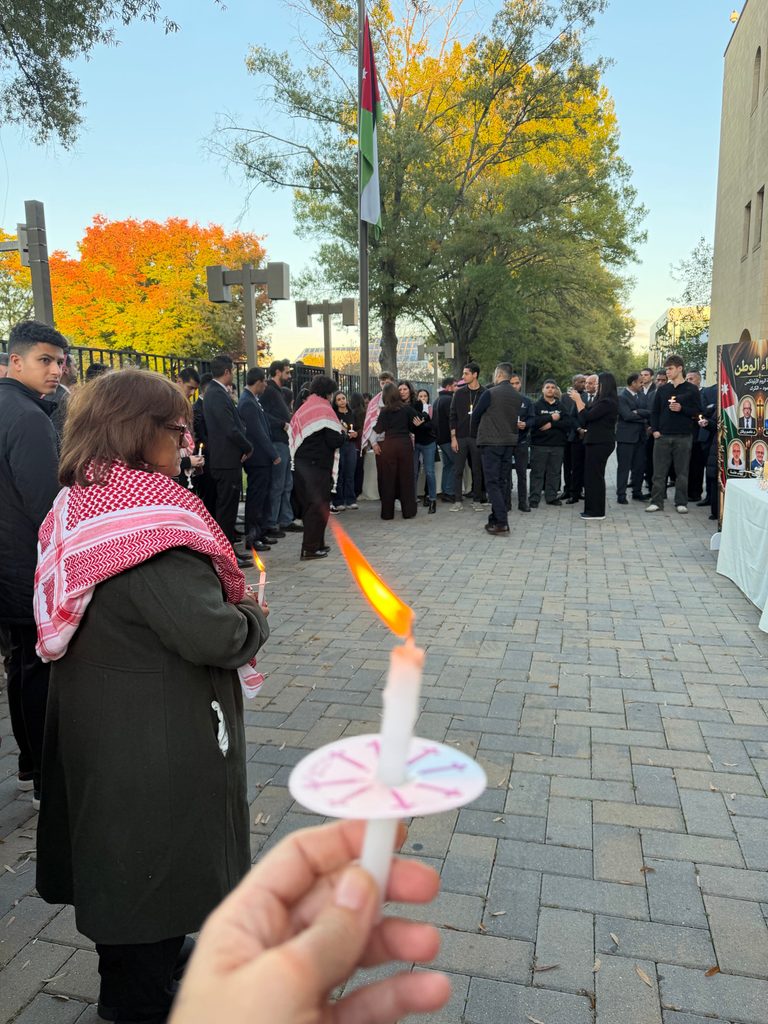
Previous Vigil for the Karak Martyrs at the Jordanian Embassy in DC

by Daoud Kuttab
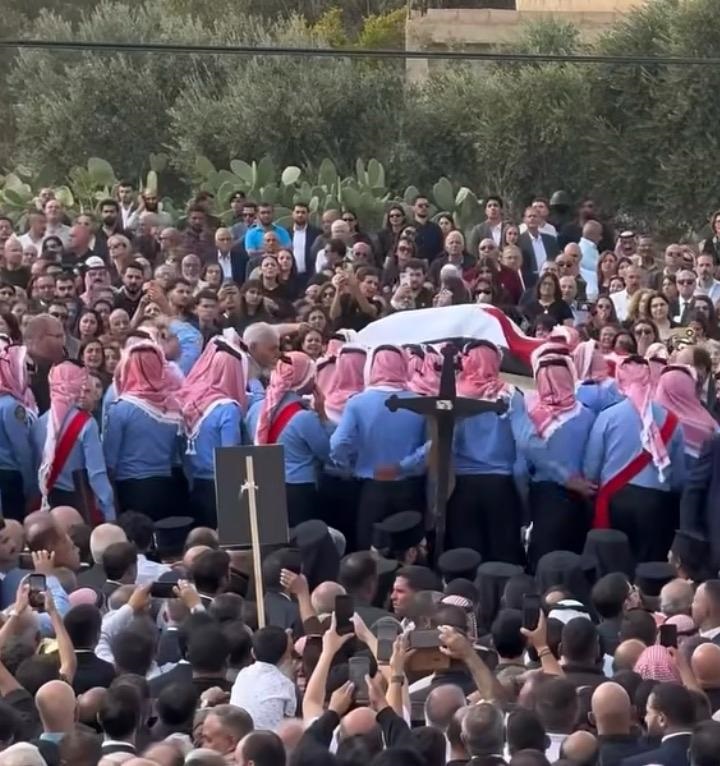
My friends, colleagues, and I attended the funeral service on Sunday in the village of Hmoud, in the Karak District, for those killed by three gunmen said to be religious extremists.
Those who attended described this public display of condemnation for what happened, and support for the victims, as something rarely seen in this part of the world. Estimates suggest thousands of people from all walks of life arrived by car and bus. Some estimated that the Jordanian crowd included as many Muslims as Christians.
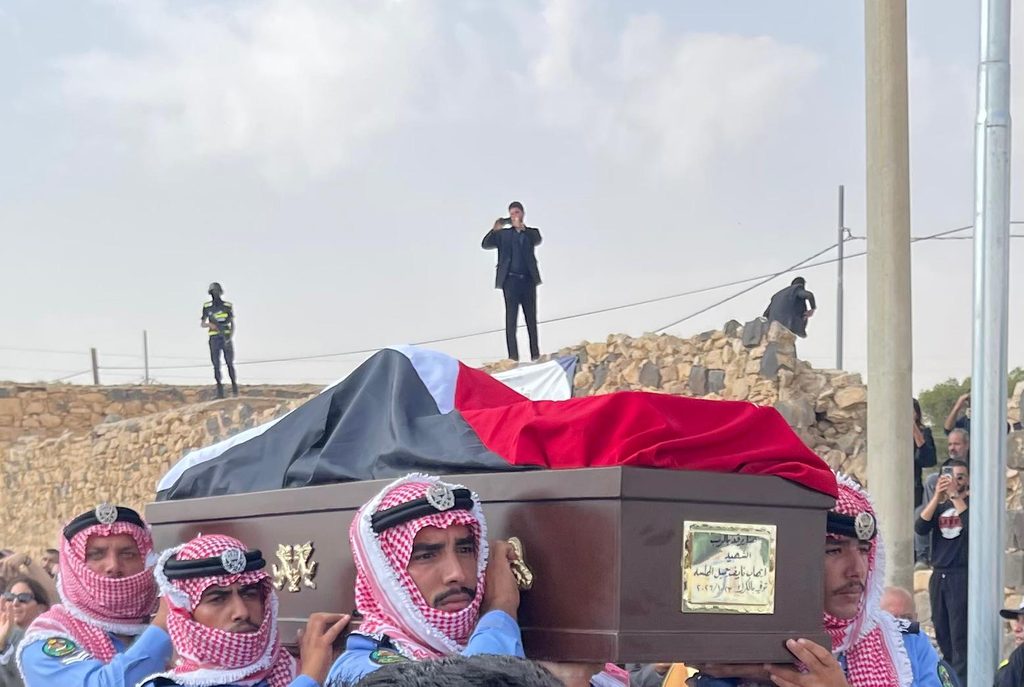
The deceased, described in official media as martyrs, were wrapped in the Jordanian national flag and received a military-style funeral. They were laid to rest in a joint grave, and it is said that a memorial will be erected to honor them.
The funeral was held at the very church they were attending another funeral last Friday when they were gunned down by unknown assailants. The security force, with the help of CCTV cameras, identified the attackers and said that they were extremists takfiris.
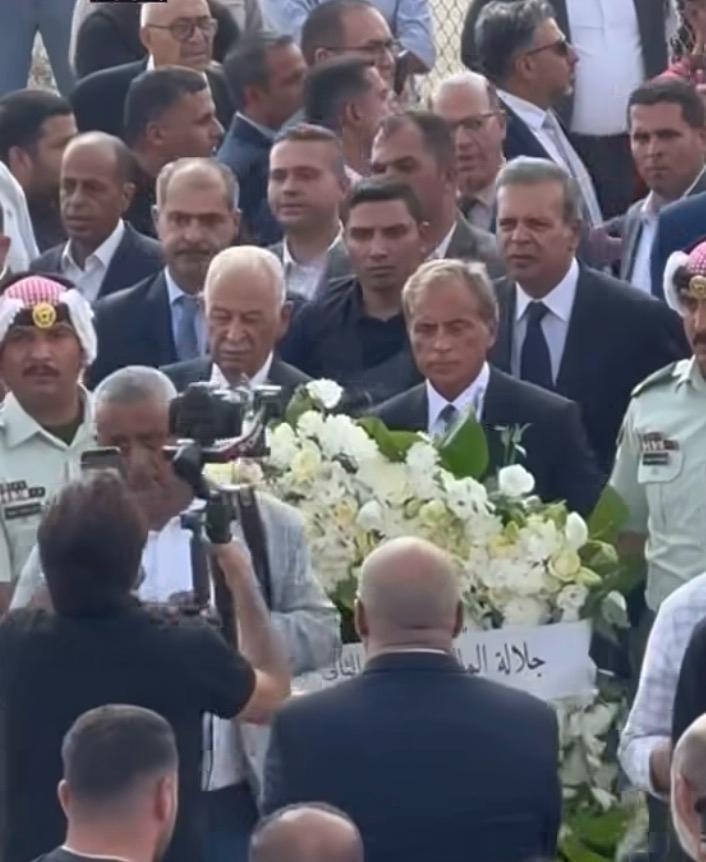
Jordan’s Prime Minister and the Chief of the Royal Court were among the nearly 5,000 people estimated to have crowded into the small Christian village. Observers said the village had never seen anything like it. Jordan’s major public service channels, Mamlaka and JRTV, along with the leading private channel Roya TV, provided wall-to-wall television coverage. The non-stop, around-the-clock coverage focused exclusively on the attack since it occurred last Friday.
Public statements came from across society, including religious Islamic leaders, respected individuals, organizations, and NGOs. Many framed their message around rejecting the attackers and preventing them, described by the King as Khawarij, from “touching the national fiber” of the country. Terms such as equal citizenship and historic coexistence were repeated widely in public messaging, an emphasis that many said has not been seen for decades.
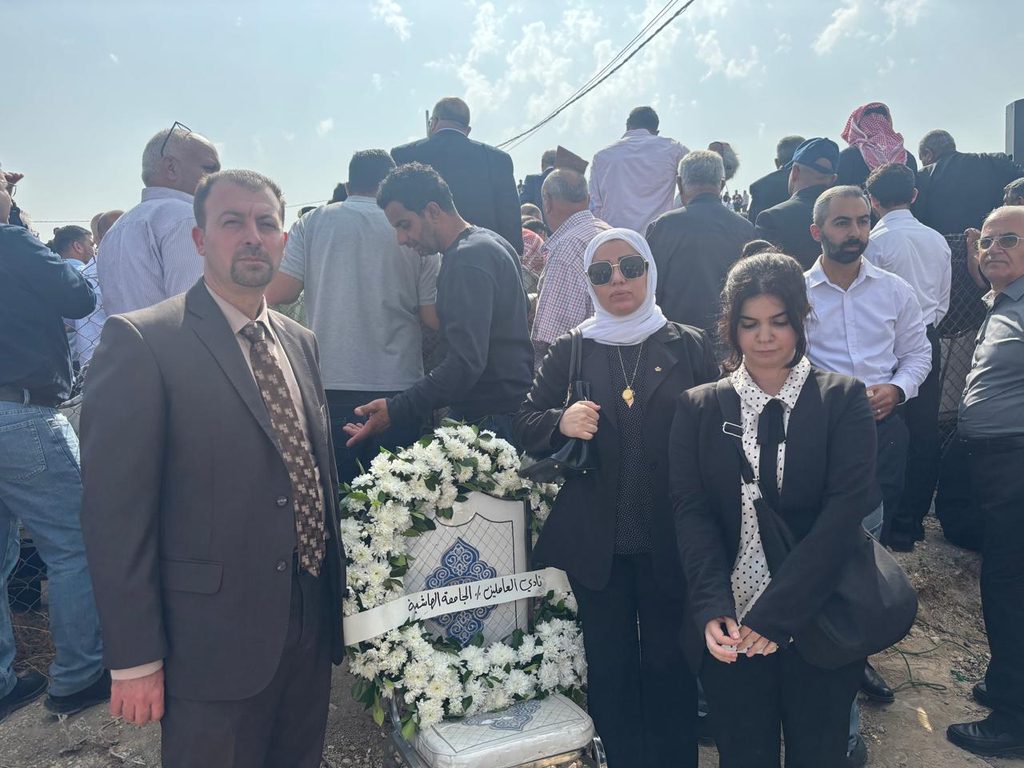
At the funeral, I noticed several people who appeared to be Muslims carrying a wreath from Hashemite University in Zarqa, about 156 kilometers north of the Karak governorate. I conducted the following brief Q&A with those holding the wreath.
Dr. Abd Al Habash told me: “I am here attending the funeral of a colleague who is like a brother to me at the university, Dr. Asem Burgan
A female colleague, dressed in a hijab, said: “Honestly, it is something that no religion could ever condone. We have come to share in the grief of our people—those affected by the brutal attack on our fellow citizens in Karak.” She added, “One of the victims was our colleague at the Hashemite University, Dr. Asem Burgan,” and “his daughter was a student with us in the Faculty of Pharmacy.” She continued: “It is deeply, profoundly saddening. The human mind cannot even fathom that there are people capable of such criminality—killing innocent individuals while they are in their places of worship.”
The speaker was also very emotional in her attack on the perpetrators of this mass killing. “Honestly, they have no religion—none at all. I am certain of it; they have no religion.” Regarding the term Khawarij, the King added: “If my understanding is correct, it simply confirms that they follow no true faith.”
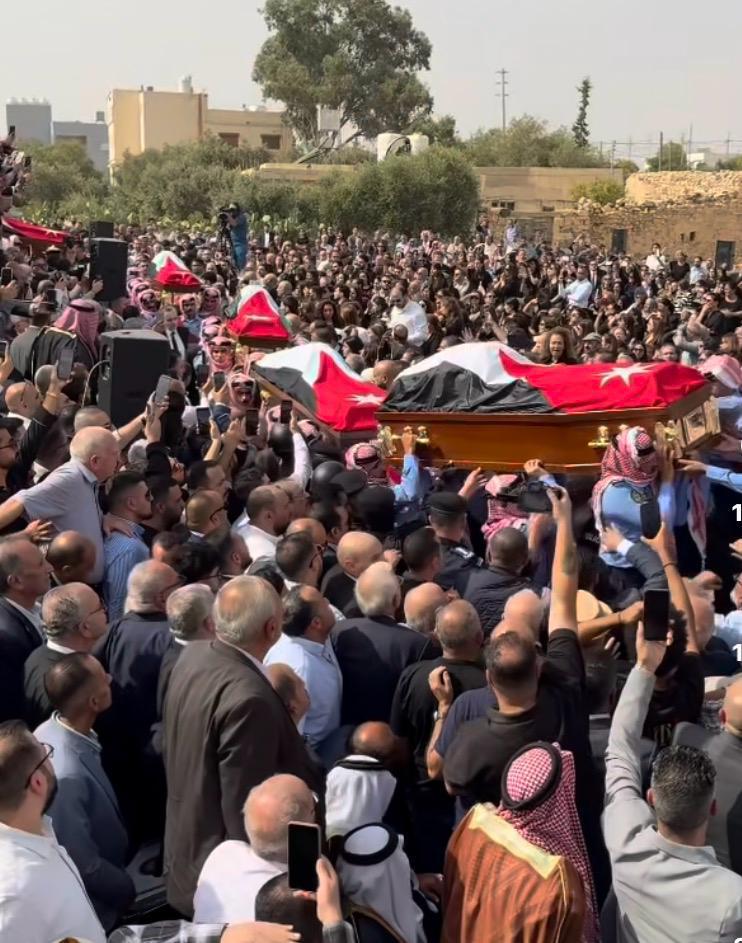
As the Orthodox priests conducted the funeral service, they kept repeating the first names of the nine deceased they were praying for: Mazin, Assem, Fadi, Ehab, Khaled, Maher, Alaa, Marwan, Mohammad. The last name caught people off guard. His full name is Dr. Mohammad Qussous; his family name means “pastors.” Friends say that his father was an Arab nationalist who wanted to name his first male son Mohammad in order to express his belief in Arab nationalism and his rejection of religious divisions, using a common Muslim name.
The flag-draped coffins were brought out, to the sound of the drums. People clapped, and women ululated, apparently in support of and respect for those the government described as martyrs.
Despite the pride and unity displayed, the mood among Jordanians, and especially Jordanian Christians, appears to be a mix of anger and resilience. The scale of the national response, from the King to ordinary people across levels and religions, strongly expressed national unity. It appears to have reassured people, and many noted it as a sign of genuine support and a pledge of protection to Jordan’s Christian community. When asked, all said they felt their country and fellow citizens strongly oppose the attack and stand firmly with fellow Christian citizens.
However, this unity does not eliminate concern, fear, and worry. Many people are calling for greater vigilance in confronting radicals living in Jordan. Fear is also widespread afterward.
Some churches continued regular services, while others stayed closed for a few days. The Baptist Convention, the largest evangelical denomination, reportedly decided not to hold services this weekend as a precautionary measure.
Now that the perpetrators have been apprehended, questions remain about those who may have provided logistical or ideological support, and those who ordered the massacre of innocent fellow citizens.
Rev. David Rihani, head of the Assemblies of God Jordan, who attended the funeral, told Milhilard: “All of us, Christians and Muslims alike, together with our national institutions, religious leaders, educators, and society as a whole, share a responsibility to confront extremism through education, awareness, and the promotion of tolerance and mutual respect. We must recognize that such acts of terrorism are intended to sow division, undermine stability, and threaten the national unity that we cherish in Jordan. It is our collective duty to stand firmly together, reject hatred and extremism, and safeguard the peace, security, and unity of our beloved country,” he said.
After the funeral, attendees filled a huge tent erected quickly, which can hold nearly 4,000 men. They served trays of Jordanian mansaf (rice, hot yogurt, and lamb) along with traditional bitter coffee.

Shortly thereafter, Queen Rania was seen on TV visiting the tent where women were holding the wake. Crown Prince Hussein Bin Abdullah, Prince Mired, and the Orthodox Patriarch from Jerusalem were also seen paying their condolences at the men’s tent.
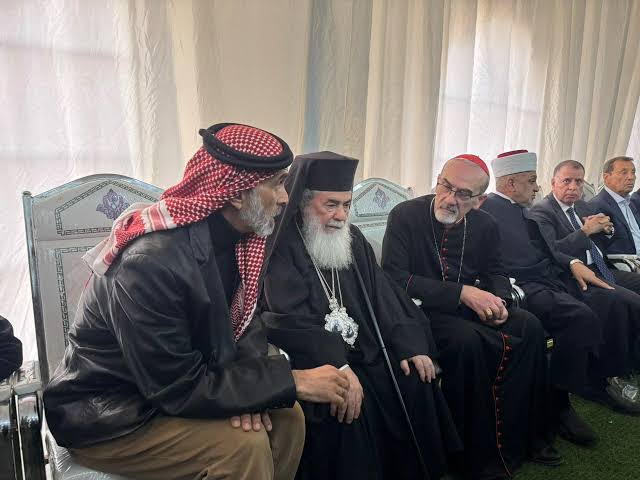
The Latin Patriarch of Jerusalem and the Muslim Mufti also visited, along with Prince Ghazi Ibn Muhammad.