Previous WEA’s SEC General Botrus Mansour outlines what Evangelicals stand for
Interviewed by Daoud Kuttab
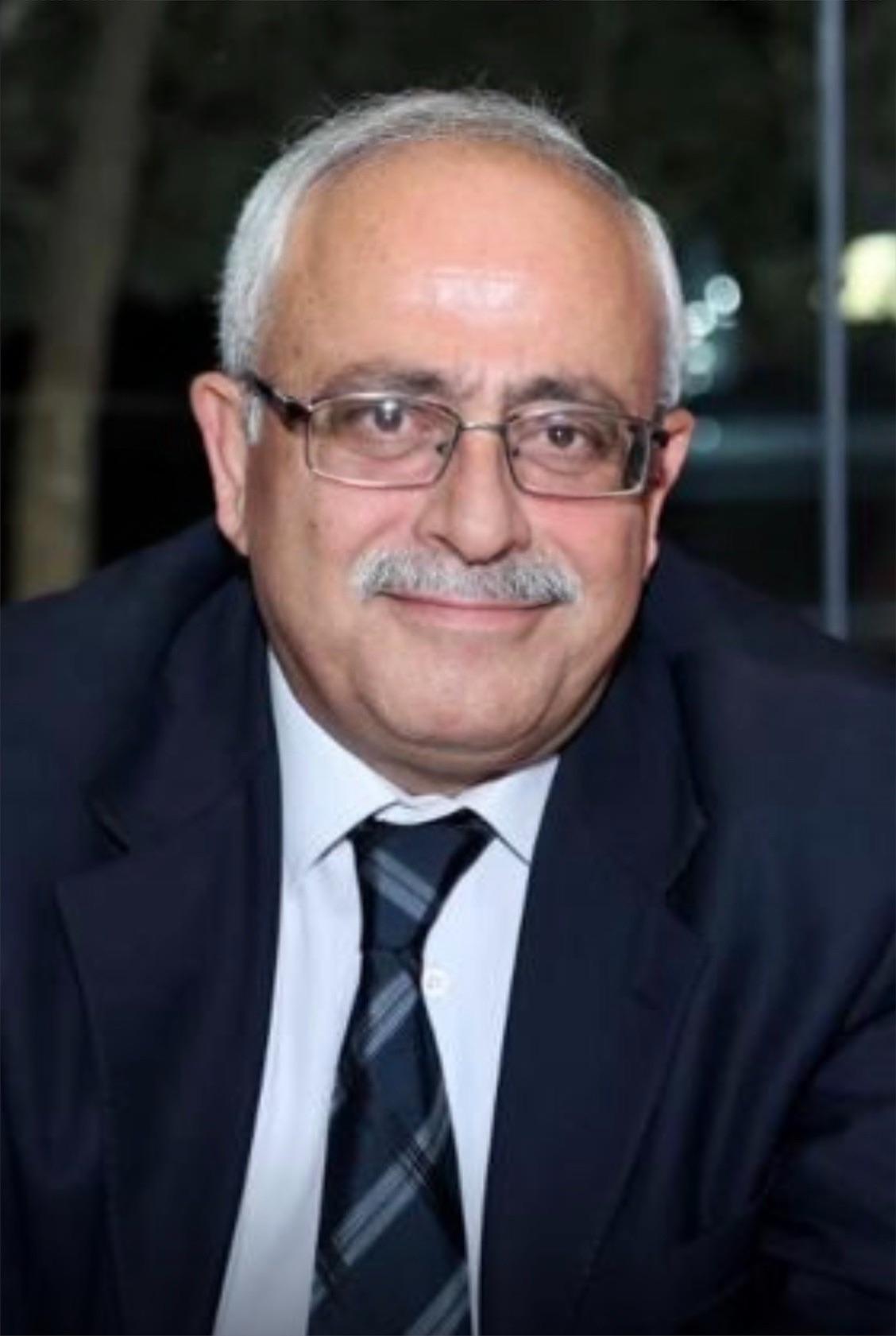
Jordan is moving toward legal reforms affecting Christians’ personal status, including a proposal that makes the will the primary mechanism for organizing the distribution of Christian inheritance. Engineer Nidal Qaqish, a member of the Orthodox Society in Jordan, said the change is intended to protect family rights, reduce disputes, and end what he described as efforts by some parties to switch between ecclesiastical courts to obtain preferred outcomes.
Speaking to Milhilard.net, Qaqish said the initiative began nearly two years ago through work led by Dr. Raja’i Muashar and involved a voluntary committee that communicated with Christian MPs and Senators, as well as church figures, to follow up on the public’s demand not to be obliged by law to apply Sharia law in matters of inheritance. The existing law gives males twice the portion of inheritance that is given to their female siblings, and if there are no male children, a male cousin gets a portion of the inheritance
Qaqish said the core concept is to adopt the will as the legal instrument approved for organizing the distribution of inheritance. He emphasized that a will would not be mandatory. “A will is not mandatory, and anyone who does not want to organize their inheritance through a will has the right to do so, but in such a case, the inheritance will be distributed according to Sharia Law,” he said.
The engineer argued that the will can help protect women’s rights in inheritance matters. He said it is also intended to address circumstances in which families do not have male children, allowing the will to include daughters and the mother in a way that is both legal and consistent with Christian belief in the equality between men and women.
Regarding questions about whether the reform would allow females to block the distribution of inheritance to cousins, Qaqish said the will gives its owner authority to distribute inheritance as they see fit, within the limits of protecting children’s inheritance rights. “When organizing a will, its owner has the authority to distribute their inheritance in the way they see fit, except for totally depriving any of their children of inheritance,” he said.
The proposed changes are also expected to extend beyond inheritance. Qaqish said the government aims to amend Articles (4) and (10) of the 2014 Christian Institutions Law so that the law’s provisions become binding on all churches and ecclesiastical courts. He said that when the law is published in the Official Gazette, it will apply to all ecclesiastical courts, while administrative details—such as how many Church judges must approve the will—will remain subject to the internal regulations of each ecclesiastical court.
Asked whether the decision would change which ecclesiastical court handles marriage and divorce, Qaqish said the goal is to prevent jurisdictional switching. He said that if marriage or ecclesiastical affiliation occurs within a specific church, personal status cases should be handled by that church’s courts, and that it would not be possible to transfer a case to an ecclesiastical court simply because a party is dissatisfied.
Qaqish said the framework also seeks solutions for churches that issue marriage certificates but lack an ecclesiastical court. He pointed to discussions involving the head of the Evangelical Council in Jordan, Imad Mayyeh, and representatives of evangelical churches, saying that efforts are ongoing to unify the legal framework for Christians so that personal status mechanisms are available to all without exception.
He added that adoption would be addressed for the first time in Jordan as part of the reform, aiming to organize adoption within Christian families in a manner suited to the nature of the issue. On whether adoption could include children from countries such as Egypt or Syria, Qaqish said that at this stage, officials do not want to enter scenarios involving other countries.
Qaqish said he hopes the law will take effect within six to seven months and called for unity among Christians despite denominational differences. “I hope the Christians have one heart, and that we work together—no matter the differences in our denominations or convictions—for the interest of everyone and the good of the entire society,” he said.
Below is the full text of the Interview
Milhilard.net: Can you explain the most important articles and background of today’s Jordanian government decision regarding the personal status of Christians?
Engineer Nidal Qaqish: About two years ago, a number of activists—led by His Excellency Dr. Raja’i Al-Ma‘ashar—took the initiative to form a voluntary committee to communicate with Christian MPs and notables, along with several Christian figures, to follow up on the Christians’ inheritance file.
We worked, in cooperation with the Council of Church Heads, to reach a consensus formula that organizes this issue. We reached a comprehensive understanding based on adopting the will as the solution for Christian families who wish to organize their inheritance. A will is not mandatory, and anyone who does not want to organize their inheritance through a will has the right to do so.
However, the core idea is for the will to become the legal instrument approved to organize the distribution of inheritance for Christian families. Through it, the rights of women and wives can be protected, and the situation of families that do not have male children can be addressed, so the will can include daughters and the mother in a legal and religious manner, and it can end disputes related to inheritance passing to cousins.
Milhilard.net: But will the amendment include giving females the right to block inheritance distribution to cousins?
Qaqish: When organizing a will, its owner has the authority to distribute their inheritance in the way they see fit, except for depriving their children of inheritance. The will practically address the issue of blocking.
I followed this file with specialists and people with experience among our Muslim brothers, and they confirmed to me that Islamic Sharia does not prevent a daughter from inheriting her father, but the matter needs legal organization. There are different interpretations and schools of thought on this topic.
We say that the primary heirs are sons and daughters, as well as parents, because they are closest to the family.
Milhilard.net: What about those who don’t write a will?
Engineer Nidal Qaqish: Whoever does not write their will automatically will be subject to the rules currently in effect—meaning the provisions of Islamic Sharia.
Milhilard.net: Will this apply to all churches?
Qaqish: After completing all constitutional stages, the project aims to amend Articles (4) and (10) so that the provisions of the law become binding on all churches and ecclesiastical courts. When the law is issued in the Official Gazette, it will be applied to all ecclesiastical courts.
As for the administrative mechanisms for organizing the will—such as whether it is handled before a single judge or multiple judges—these remain within the jurisdiction of the internal regulations of each ecclesiastical court.
Milhilard.net: Does the government’s decision include changing what ecclesiastical court may deal with marriage and divorce?
Qaqish: The purpose of this clause, as with inheritance cases, is to end the phenomenon of switching between ecclesiastical courts in search of the court that suits one of the parties. If the marriage or ecclesiastical affiliation occurs within a particular church, personal status cases must be heard by that church’s courts.
It will not be possible to change the ecclesiastical court merely because one party is dissatisfied with its decisions.
Milhilard.net: At present, there are churches that are allowed to issue marriage certificates but that do not have an ecclesiastical court.
Qaqish: This issue is being addressed seriously, and we hope to find a solution. A few days ago, we participated in a meeting called by Imad Mayyeh, and among those present was the Secretary-General of the World Evangelical Alliance. There was an important discussion about practical solutions to this issue.
I affirm that the issue is being addressed today as part of unifying the legal framework for Christians in Jordan, so that mechanisms exist to handle personal status matters for all Christians without exception.
There are also serious efforts to find appropriate solutions for those churches—either through working within mutually agreed ecclesiastical courts or through other arrangements. But the fundamental principle is ending the matter of switching ecclesiastical courts.
Milhilard.net: The right of Christian families to adopt is being added. Can you explain the details?
Qaqish: This is the first time adoption is being discussed in this manner in Jordan. The Jordanian government has shown clear cooperation in this file after we explained the nature of the issue. What we aim to do is organize adoption within Christian families in a way that matches the particular nature of this file.
Milhilard.net: Adoption is governed by international agreements such as the Hague Convention. Will it allow Christian couples to adopt children from countries like Egypt or Syria?
Qaqish: At this stage, we do not want to enter into situations or arrangements involving other countries.
Milhilard.net: What would you like to say to the opponents?
Qaqish: What we did was intended to serve the Christian family and achieve its best interest. We are Jordanians in nationality and Christians in faith, and Christ taught us that love and justice are the foundation of how we deal with one another. Personally, I do not see convincing reasons for opposition, because any objection must be based on logical grounds. For me, I do not see a difference between a son and a daughter when it comes to my children. A will provides a clear and fair solution for those who want to organize their inheritance, while for those who do not, the currently applicable provisions remain in effect.
I also have a personal proposal that I hope to put forward for discussion: that the marital family home remain outside the estate as long as one parent is still alive, and that no one should have the right to dispose of or sell it during that period.
We have witnessed cases in which the house was sold and the mother was removed from it.
Therefore, I believe the family home must remain protected, with the heirs’ shares legally registered, but not disposed of as long as one parent is alive.
Milhilard.net: Some families are eagerly waiting for this issue. When do you expect the law to be approved?
Qaqish: I hope this law becomes effective within about six to seven months.
Milhilard.net: Do you encourage Christian civil institutions to hold discussions on this topic to clarify the picture for people?
Qaqish: Absolutely. Since the government decision was issued, I have received numerous calls and inquiries from citizens, and many expressed satisfaction after learning the details of the project.
Even one of the most prominent opponents changed his position after I fully explained the idea and its goals.
Milhilard.net: Who also worked on drafting the project?
Qaqish: His Excellency Dr. Raja’i Muasher played a major role, and former MP Omar Al-Nabbar also made a significant contribution. In addition, a number of MPs and notables made a special effort to follow up on this file and work on it.
Milhilard.net: Final word?
Qaqish: I hope the Christians have one heart, and that we work together—no matter the differences in our denominations or convictions—for the interest of everyone and the good of the entire society.


تكافح مجلة “ملح الأرض” من أجل الاستمرار في نشر تقارير تعرض أحوال المسيحيين العرب في الأردن وفلسطين ومناطق الجليل، ونحرص على تقديم مواضيع تزوّد قراءنا بمعلومات مفيدة لهم ، بالاعتماد على مصادر موثوقة، كما تركّز معظم اهتمامها على البحث عن التحديات التي تواجه المكون المسيحي في بلادنا، لنبقى كما نحن دائماً صوت مسيحي وطني حر يحترم رجال الدين وكنائسنا ولكن يرفض احتكار الحقيقة ويبحث عنها تماشيًا مع قول السيد المسيح و تعرفون الحق والحق يحرركم
من مبادئنا حرية التعبير للعلمانيين بصورة تكميلية لرأي الإكليروس الذي نحترمه. كما نؤيد بدون خجل الدعوة الكتابية للمساواة في أمور هامة مثل الإرث للمسيحيين وأهمية التوعية وتقديم النصح للمقبلين على الزواج وندعم العمل الاجتماعي ونشطاء المجتمع المدني المسيحيين و نحاول أن نسلط الضوء على قصص النجاح غير ناسيين من هم بحاجة للمساعدة الإنسانية والصحية والنفسية وغيرها.
والسبيل الوحيد للخروج من هذا الوضع هو بالتواصل والنقاش الحر، حول هويّاتنا وحول التغييرات التي نريدها في مجتمعاتنا، من أجل أن نفهم بشكل أفضل القوى التي تؤثّر في مجتمعاتنا،.
تستمر ملح الأرض في تشكيل مساحة افتراضية تُطرح فيها الأفكار بحرّية لتشكل ملاذاً مؤقتاً لنا بينما تبقى المساحات الحقيقية في ساحاتنا وشوارعنا بعيدة المنال.
كل مساهماتكم تُدفع لكتّابنا، وهم شباب وشابات يتحدّون المخاطر ليرووا قصصنا.