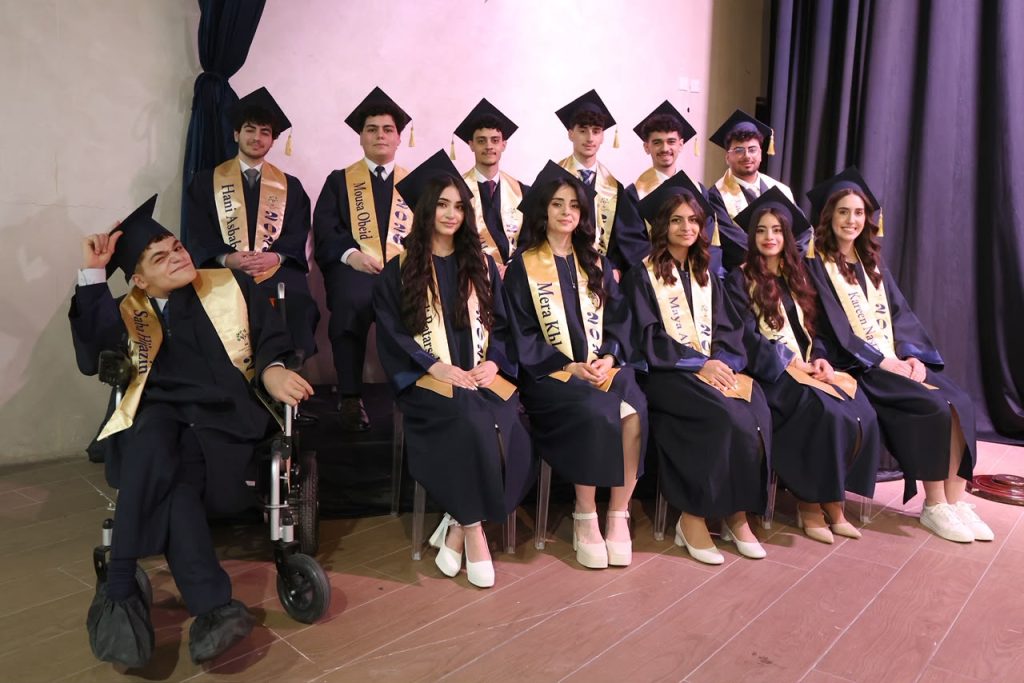
Previous Alliance Academy Jordan celebrates the graduation of the class of 2026
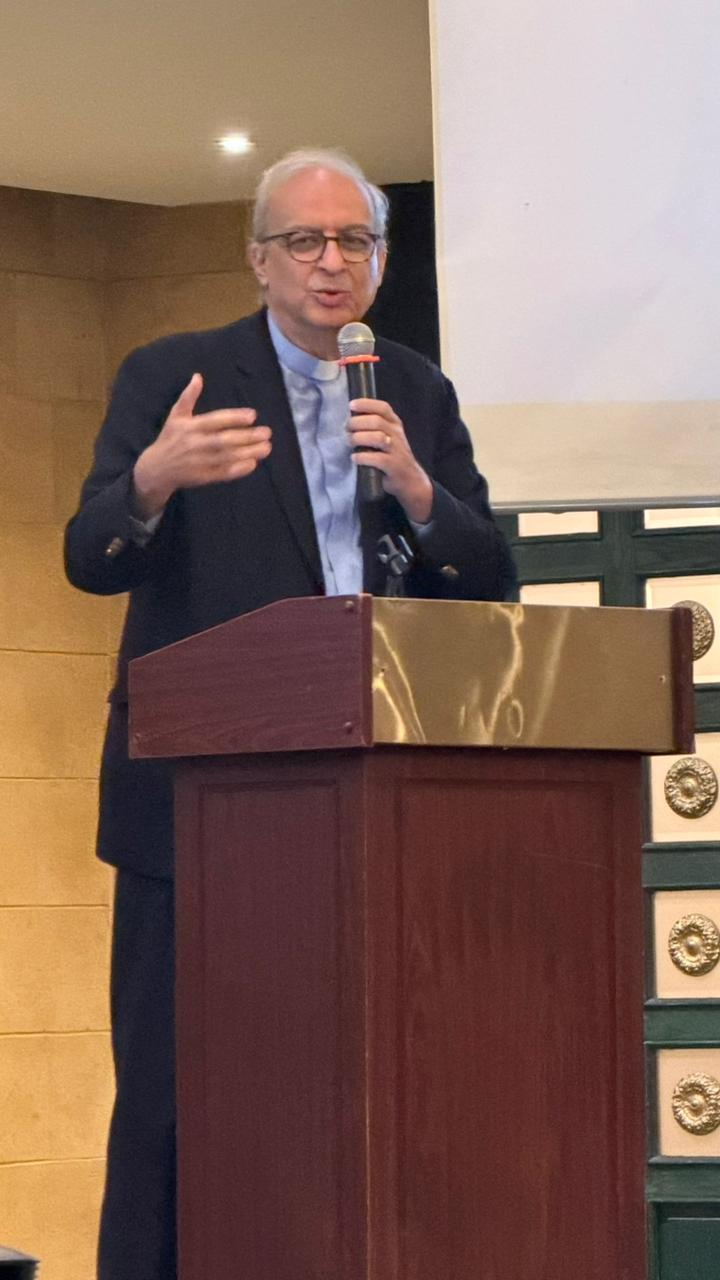
Below is the full, unedited text of a speech given by Rev. Botrus Mansour at an event honoring him, sponsored by the Jordan Evangelical Council, in Amman on May 30th.
Dear Brothers and Sisters—with due respect for your titles and standing:
Through your kindness, love, zeal, and noble spirit, you saw fit to organize this reception in my honor following my appointment as Secretary General of the World Evangelical Alliance.
Naturally, my deepest thanks and appreciation go to my dear friends: Brother Emad Ma’ayeh (Abu Balsam), Rev. Dr. Nabeeh Abbasi, the dynamic Yazan Malkounian, and the energetic Maran. You have truly overwhelmed me with your generosity.
However, allow me to clarify a few points:
I must also add that I feel as though I am among my own family here. It feels just like attending a gathering of pastors back in our homeland. The Lord graciously allowed my relationship with my dear brothers in Jordan to deepen during my tenure at the Council of Evangelical Churches in our region—one of the three constituent councils that form the Union of Evangelical Churches in Jordan and the Holy Land, established in November 2017. This bond was forged through the efforts of Rev. Dr. Munir Kakish, “Basha” Emad Ma’ayeh, and my beloved brother-in-law—a true servant of the Lord—Rajai Samawi.
One other matter I wish to highlight is our deep appreciation for Jordan’s leadership—spearheaded by His Majesty King Abdullah II—for its unwavering commitment to maintaining stability and upholding freedoms within the Kingdom. This is accomplished through a remarkable blend of balance, prudence, openness, and wisdom, particularly given the region’s complex political landscape.
Finally, I would like to offer our distinguished guests a brief and simplified explanation of the nature and identity of Evangelical churches. Christianity is broadly divided into three main streams that share fundamental doctrines yet differ in their ecclesiastical authority and organizational structure: Catholicism, Orthodoxy, and Protestantism.
Catholicism numbers approximately 1.4 billion adherents; Orthodoxy accounts for about 300 million; and Protestantism—comprising the “Reformed” churches—totals around 900 million. Of this latter figure, 250 million belong to the mainline Protestant tradition, while the vast majority—650 million—belong to the Evangelical churches. In other words, we—as Evangelicals—emerged from the Reformation initiated by Luther, Calvin, , and others; however, we carried that reform to even greater lengths.
This latter group—the Evangelicals—derives its name from the Greek word Evangelion, meaning “Good News.” We are, quite literally, the community of the Good News.
Evangelicalism represents the fastest-growing segment of the Christian church in terms of numbers; having stood at 90 million adherents in 1910, its ranks have multiplied more than sevenfold over the course of a century.
In other words, we are speaking of the second-largest Christian demographic globally—surpassed only by the Church of Rome. Hence, as far as the local church goes, we can say “The Evangelicals of Jordan are by no means a small or insignificant community.” Although our numbers may be modest within our specific Arab region, globally, we constitute a massive movement that continues to grow at a steady pace.
This movement encompasses thousands of distinct church groups; among the most widely recognized are the Baptists, the Assemblies of God (Pentecostals), and various others.
Historian David Bebbington has identified four key characteristics that define what it means to be Evangelical:
The differences among these groups stem from varying emphases placed on specific doctrines—arising from divergent interpretations—such as the Eucharist, the work of the Holy Spirit, evangelism, or even matters of church governance.
One of the defining characteristics of Evangelical churches is that, within their respective families, they enjoy a significant degree of autonomy; furthermore, decision-making often rests with the individual believer, and their structures are generally non-hierarchical. This leads us to ask: What, then, is my role within the World Evangelical Alliance?
In the mid-19th century, the Lord brought about a spiritual revival. One manifestation of this revival was reflected in the work of William Wilberforce, whose active faith drove his efforts to abolish slavery in England (as depicted in the film Amazing Grace). Immediately following this—and in a remarkable act of self-emptying and humility—various Evangelical groups set aside their differences. They resolved to establish a body dedicated to cooperation, fellowship, governmental representation, and the defense of religious liberty: the World Evangelical Alliance. This body was founded in London in 1846—meaning we are currently celebrating the 180th anniversary of its inception—with 52 constituent alliances joining at the time. Just a few days ago, we held a special Thanksgiving service in London itself to mark this milestone.
By the grace of our Lord, we currently comprise 163 national alliances worldwide. This means that churches from diverse Evangelical denominational families come together under a unified framework to engage in joint ministry in a specific country. Inspired by the spirit of Jesus’ prayer in John 17—that “they may be one”—these churches join this collaborative framework. The overarching body that unites all these national alliances worldwide is the World Evangelical Alliance. Participation is entirely voluntary; membership is a matter of free choice. We engage in several key activities:
I would like to mention that my friend, Maher Abu-Leil from Jordan, plays a pivotal role within the Middle East and North Africa region.
Additionally, we partner with 110 affiliated organizations.
Our objective is to encourage and strengthen these alliances and organizations.
We have launched an initiative to foster cooperation—both among the national alliances themselves and between the alliances and their partner organizations—in accordance with each national alliance’s specific calling and priorities in its country. This initiative received strong endorsement at the recent International Council meeting in London—from which I have just returned—and I intend to dedicate my efforts to advancing it over the remaining four and a half years of my term.


تكافح مجلة “ملح الأرض” من أجل الاستمرار في نشر تقارير تعرض أحوال المسيحيين العرب في الأردن وفلسطين ومناطق الجليل، ونحرص على تقديم مواضيع تزوّد قراءنا بمعلومات مفيدة لهم ، بالاعتماد على مصادر موثوقة، كما تركّز معظم اهتمامها على البحث عن التحديات التي تواجه المكون المسيحي في بلادنا، لنبقى كما نحن دائماً صوت مسيحي وطني حر يحترم رجال الدين وكنائسنا ولكن يرفض احتكار الحقيقة ويبحث عنها تماشيًا مع قول السيد المسيح و تعرفون الحق والحق يحرركم
من مبادئنا حرية التعبير للعلمانيين بصورة تكميلية لرأي الإكليروس الذي نحترمه. كما نؤيد بدون خجل الدعوة الكتابية للمساواة في أمور هامة مثل الإرث للمسيحيين وأهمية التوعية وتقديم النصح للمقبلين على الزواج وندعم العمل الاجتماعي ونشطاء المجتمع المدني المسيحيين و نحاول أن نسلط الضوء على قصص النجاح غير ناسيين من هم بحاجة للمساعدة الإنسانية والصحية والنفسية وغيرها.
والسبيل الوحيد للخروج من هذا الوضع هو بالتواصل والنقاش الحر، حول هويّاتنا وحول التغييرات التي نريدها في مجتمعاتنا، من أجل أن نفهم بشكل أفضل القوى التي تؤثّر في مجتمعاتنا،.
تستمر ملح الأرض في تشكيل مساحة افتراضية تُطرح فيها الأفكار بحرّية لتشكل ملاذاً مؤقتاً لنا بينما تبقى المساحات الحقيقية في ساحاتنا وشوارعنا بعيدة المنال.
كل مساهماتكم تُدفع لكتّابنا، وهم شباب وشابات يتحدّون المخاطر ليرووا قصصنا.