
Previous Mahd al Mashreq Initiative publishes list of Palestinian Christian prisoners.
Linda Zaki – Milhilard.org
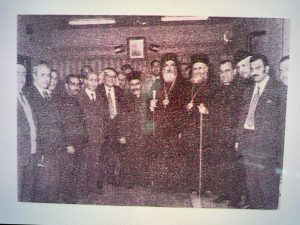
Fifty-three years ago, the agreement of the Committee for Unifying Christian Holidays in Jordan and Palestine was established, and it continues to this day. It stipulates that all Christian denominations celebrate Christmas on December 25th of each year according to the Western calendar, and that all Christian denominations celebrate Easter according to the Eastern calendar.
The signatories of the document unifying Christian holidays justified this by stating that the continued practice of churches and Christian denominations in the Hashemite Kingdom of Jordan and the occupied Palestinian territories of celebrating Christian holidays on different dates harms the reputation of Christians, makes them a laughingstock in the eyes of other citizens, damages their interests and their very existence, weakens their image, and undermines the splendor of the holidays and celebrations.
Therefore, given that the reasons, according to the document unifying Christian holidays, the details of which are published by “Milhilard.org,” that created this temporal difference in the celebration of religious holidays were not fundamental, nor did they stem from the spirit, principles, or practices of the Christian faith; Furthermore, Christian churches and denominations, both Western and Eastern, throughout the world celebrate Christian holidays on the same date.
The document affirmed that, based on the conviction that celebrating holidays on a single date ensures the well-being of Christians in general, strengthens the Christian community, preserves its unity, bestows a noble and virtuous character upon the celebration of Christian holidays, and aligns them with other Christian churches and denominations worldwide in religious observances, the authors of the document agreed to unify Christian holidays.
In light of this, the Al-Naber Cooperative Society, being the oldest society at the time, volunteered in 1971 to take the initiative in presenting the idea and the topic to all Christians of different denominations on the East Bank of the Hashemite Kingdom of Jordan. Based in Amman, the society launched the initiative, beginning consultations and contacts with prominent figures and members of various denominations in Amman. According to the document, the society continued its work until a consensus was reached to invite as many members as possible from different denominations to a general meeting. Several committees were formed during this meeting, culminating in the formation of the Committee for Unifying Christian Holidays.
In a statement to Milhilard.org, former MP Omar Anton Al-Naber commented on the document, saying, “The Al-Naber family association took it upon itself at that time to hold meetings for all Christian families from northern and southern Jordan, in addition to Christians in the West Bank and those residing within the occupied territories, and to follow up on the issue of unifying Christian denominations by forming several committees to monitor the matter, including a committee to follow up with Palestinian Christians and another committee to follow up with church leaders.”
He said that the gathering and popular pressure at that time were crucial and led to the successful achievement of unifying the holidays, especially after witnessing the division among Christians at that time, noting that Christians today feel the same way. Al-Nabar explained that what Christians felt previously was in line with the popular will. With all due respect to the heads of the churches at that time, they followed the popular will, they did not lead it. Those who led it were individuals who agreed that unity among all denominations was in the best interest of Christians. He noted that any perceived division was a prominent reason for unifying the holidays.
Engineer Nidal Qaqish, a member of the administrative board and the central council of the Orthodox Society, stated that historical documents prove the Arab national and patriotic role that played a major part in shaping the way of life for the Jordanian people in all cultural, political, social, and subsequently economic aspects.
These leaders were also distinguished by their faith in the message of Jesus Christ, may glory be to Him, which calls for love, giving, helping those in need, and respecting humanity regardless of belief, color, or appearance. Among them was Foad Qaqish, the representative of Amman, who alone advocated for this. In 1972/1973, Christian holidays were unified, and Jordan remains the only country where Christians celebrate their holidays together, a practice that continues to this day despite attempts by some to reverse this important decision.
Engineer David Rihani also spoke about the role of the Rihani family from the town of Al-Husn in the Irbid Governorate in initiating the unification of holidays. He told “Milhilard.org” that, according to the social narrative passed down in Al-Husn, the Rihani clan was the first to practically initiate the unification of Christian holiday celebrations within the family in the mid-1950s.
In his interview with Al-Naber, he revealed that the unification came about for several reasons. The differences in the timing of religious holidays were due to non-essential factors, not stemming from the Christian faith or its tenets. Furthermore, the discrepancies in celebrations harmed the interests, unity, and image of Christians before the state. He noted that the document was signed by more than five hundred prominent Christian figures, with each family signing and sealing the document with their respective seals at the Al-Naber Association.
Al-Nabbar expressed his hope for a unified Christian body representing all Christian denominations, based on church leaders, prominent figures, and Christian members of parliament, to address all outstanding Christian issues. The former MP pointed out that Christians currently lack a Ministry of Religious Endowments (Awqaf), and therefore, a single, unified Christian body representing all denominations is essential, rather than one that fragments Christians through their constitutional representatives—notables, members of parliament, and church leaders.
While Naber expressed his wish for a unified annual Baptism celebration, a unified message, and even unified church regulations and courts—as Article 31 of the Council of Churches Law stipulates the issuance of a unified fee schedule—the former MP lamented that this article remains unimplemented due to differing opinions. Prayer rites, however, remain unchanged.
Below is a PDF of the 1973 report (in Arabic ) of the Committee for the Unification of Christian Holidays, including all signatures and seals at the end (thanks to Engineer Nidal Qaqish for providing it).


تكافح مجلة “ملح الأرض” من أجل الاستمرار في نشر تقارير تعرض أحوال المسيحيين العرب في الأردن وفلسطين ومناطق الجليل، ونحرص على تقديم مواضيع تزوّد قراءنا بمعلومات مفيدة لهم ، بالاعتماد على مصادر موثوقة، كما تركّز معظم اهتمامها على البحث عن التحديات التي تواجه المكون المسيحي في بلادنا، لنبقى كما نحن دائماً صوت مسيحي وطني حر يحترم رجال الدين وكنائسنا ولكن يرفض احتكار الحقيقة ويبحث عنها تماشيًا مع قول السيد المسيح و تعرفون الحق والحق يحرركم
من مبادئنا حرية التعبير للعلمانيين بصورة تكميلية لرأي الإكليروس الذي نحترمه. كما نؤيد بدون خجل الدعوة الكتابية للمساواة في أمور هامة مثل الإرث للمسيحيين وأهمية التوعية وتقديم النصح للمقبلين على الزواج وندعم العمل الاجتماعي ونشطاء المجتمع المدني المسيحيين و نحاول أن نسلط الضوء على قصص النجاح غير ناسيين من هم بحاجة للمساعدة الإنسانية والصحية والنفسية وغيرها.
والسبيل الوحيد للخروج من هذا الوضع هو بالتواصل والنقاش الحر، حول هويّاتنا وحول التغييرات التي نريدها في مجتمعاتنا، من أجل أن نفهم بشكل أفضل القوى التي تؤثّر في مجتمعاتنا،.
تستمر ملح الأرض في تشكيل مساحة افتراضية تُطرح فيها الأفكار بحرّية لتشكل ملاذاً مؤقتاً لنا بينما تبقى المساحات الحقيقية في ساحاتنا وشوارعنا بعيدة المنال.
كل مساهماتكم تُدفع لكتّابنا، وهم شباب وشابات يتحدّون المخاطر ليرووا قصصنا.