Previous Christian Communities “Facing War, Fear, and Ignorance,” Evangelical Leader Tells Global Church Heads

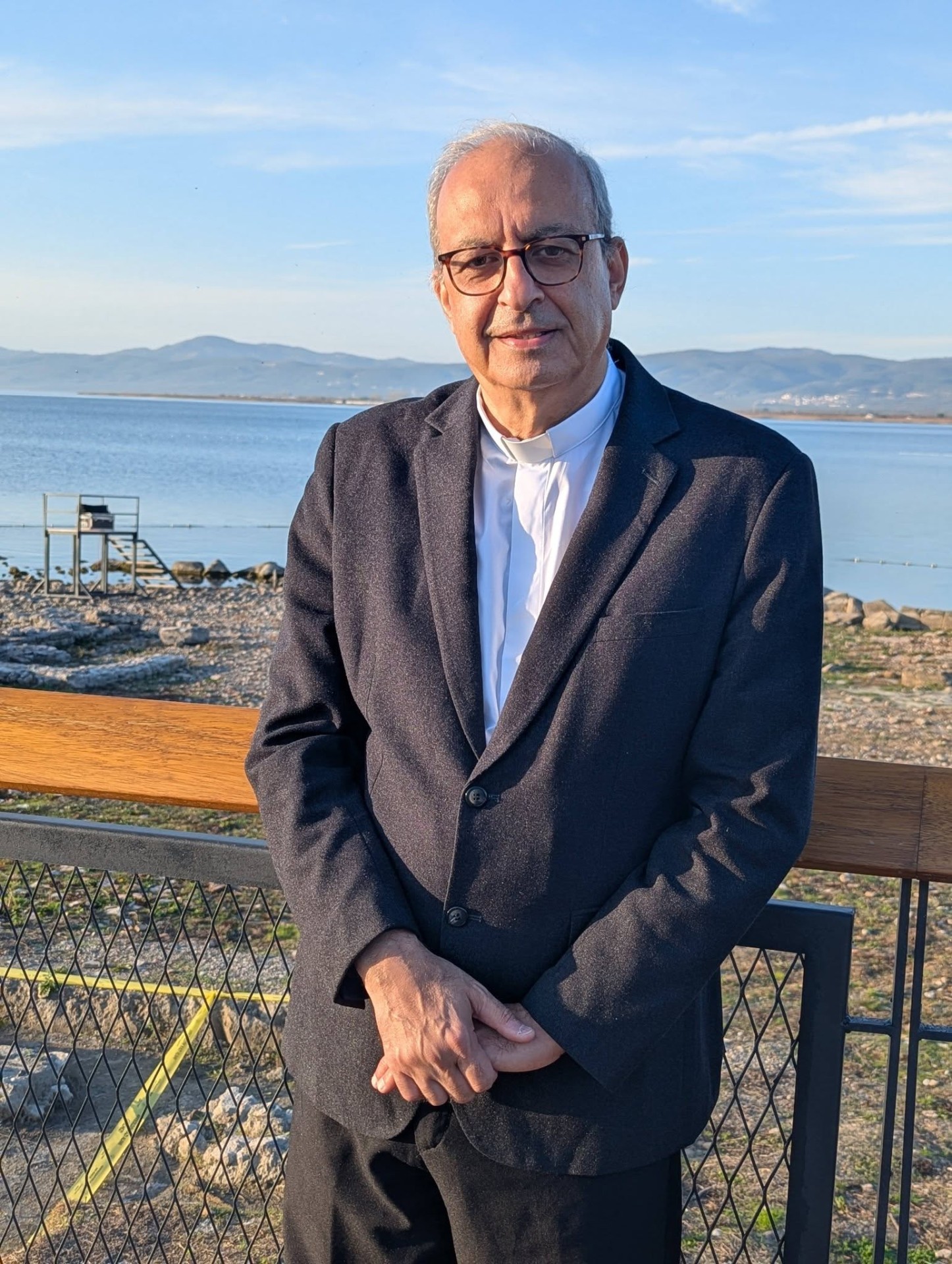
*By Rev Botrus Mansour – Special to Milhilard.org
Although I have visited Istanbul before, I was struck this week by the city’s vastness and sheer scale, as well as by the traffic, which seemed heavier due to the closure of many streets following the Pope’s visit and the efforts to ease his movements and ensure his security.
It is not unlikely that the assassination attempt on Pope John Paul II some thirty years ago—carried out by a Turkish citizen—still casts a shadow over the Turkish government and influenced the deployment of a massive police presence throughout the city to guarantee the Pope’s safety.
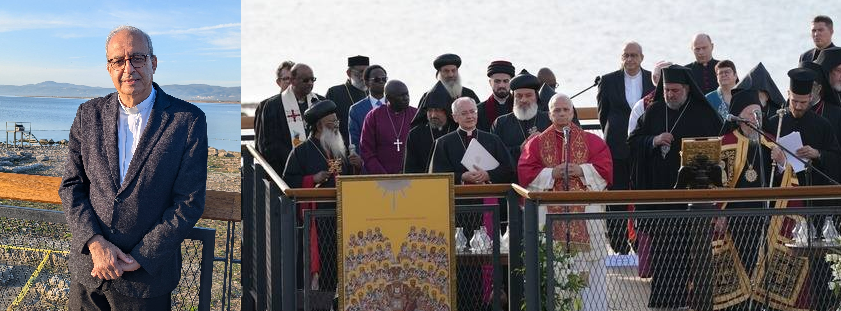
From our brief experience, it seemed that despite the huge number of police officers, their interaction with foreigners like us was tense. Most did not speak English, and although we were honored guests scheduled to participate in the prayer service with the Pope, our names were missing from the security lists, preventing us from entering the site of the Council of Nicaea. One officer even showed us a photo from the prayer program confirming our participation, but still did not permit us to enter until the patriarch—whom we had to summon—intervened. This happened twice. Turkish security personnel are not known for leniency.
The Pope’s visit to Turkey drew widespread attention not only because of his high religious standing, but also because it was his first official visit since his installation six months earlier, and because it was to a country with a predominantly Muslim population, despite its historically significant role in the early Church.
Through our meetings with the Pope, a clear difference emerged between Pope Leo and his predecessor, Francis, even though Leo mentioned and quoted Francis several times in his speeches. While Pope Francis possessed remarkable charisma and enjoyed connecting with people, Leo appeared more reserved. His speeches were delivered in a gentle tone, emphasizing unity.
Turkish Christians welcomed Pope Leo with exceptional enthusiasm and warmth, expressed through cheers and ululations.
Despite the presence of the heads of various churches in Istanbul and Iznik, the Greek Orthodox Patriarch of Jerusalem was conspicuously absent from the 1700th anniversary commemoration of the Council of Nicaea. Representatives of the Melkite Greek Catholic and Maronite churches in Turkey were also absent, seemingly preferring to meet the Pope during his upcoming visit to Lebanon.
Catholic and Orthodox clergy took center stage at the celebrations, while Protestant clergy appeared marginalized, despite their shared commitment to ecumenism. Nevertheless, extensive preparations seemed to have preceded the meetings of clergy involved in joint ecumenical work, as a spirit of camaraderie prevailed among them.
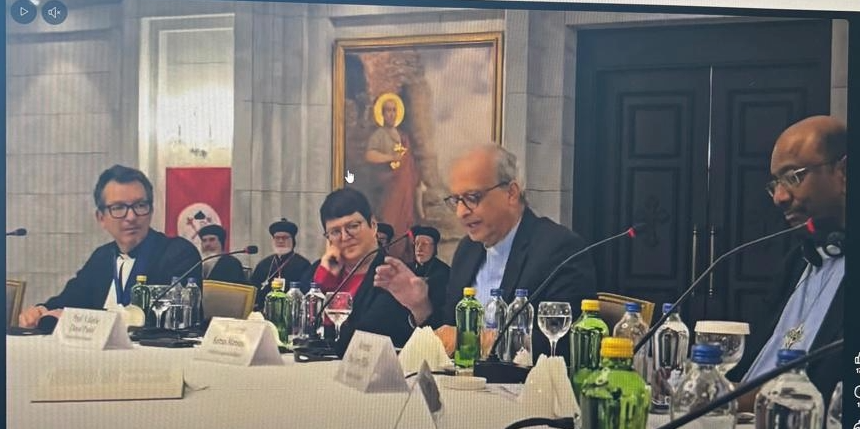
In the private meeting the Pope held with church leaders, each was given four minutes to reflect on the impact of the Nicene Creed on our lives today and on the future. The leaders spoke with notable candor: some described their communities being “poached” by other Christian groups, while others diverged from the norm by criticizing certain outcomes of the Council of Nicaea, claiming it opened the door to heresies and to political interference in religion after the death of Emperor Constantine, the council’s patron. A third leader explicitly criticized American Christian nationalism and similar movements.
Representatives of Protestant and Evangelical Christian denominations, together totaling nearly a billion believers, attended and participated in the prayer service in Iznik and in the private meeting with the Pope at St. Ephrem Syriac Church in Istanbul. However, official and public church media largely ignored their presence, focusing instead on the Catholic–Orthodox meeting, despite the warm welcome they received from the organizers of both the Orthodox and Catholic programs.
Those in attendance included Protestants and Evangelicals holding high-ranking positions in the Anglican and Lutheran churches, the World Evangelical Alliance (of which this author is a member), the World Council of Churches, Pentecostal churches, the Holiness (Methodist) movement, Mennonites, Baptists, and others.
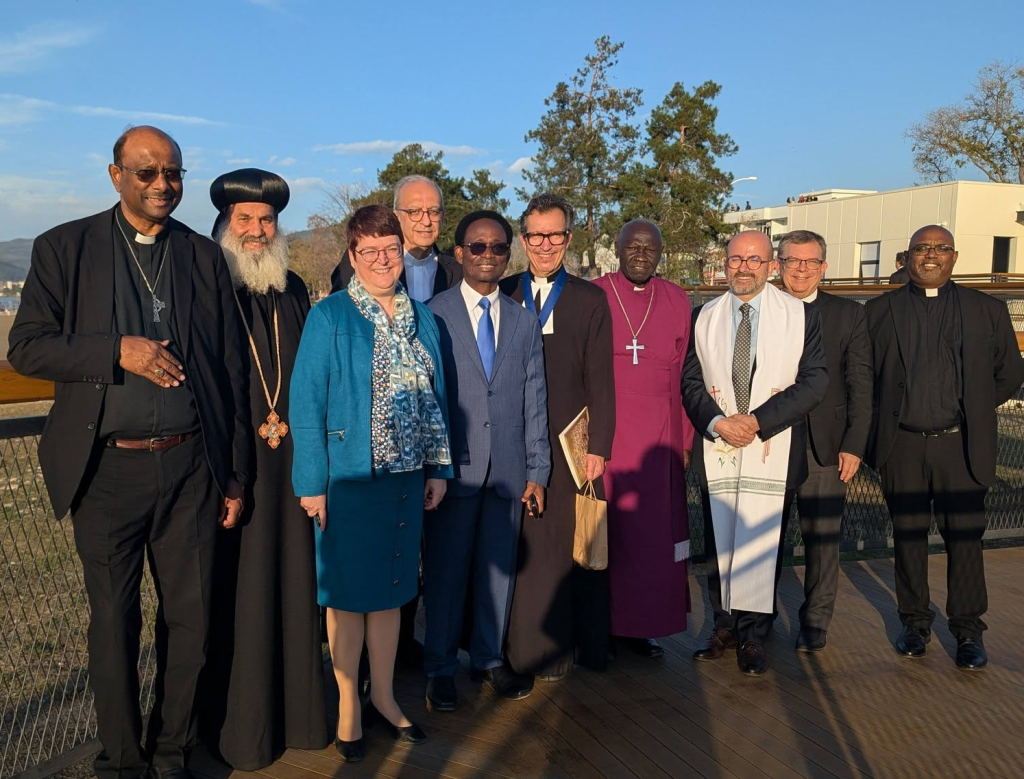
Overall, I believe the historic gathering commemorating the Council of Nicaea—which affirmed the biblical truth of Christ’s full divinity—was significant and can contribute to greater rapprochement and cooperation among all participating Christian denominations.
The author, a native of Nazareth, is the General Secretary of the World Evangelical Alliance*